68% turnout expected as Palestinians vote in fear
Analysts project a surge in participation among Israeli Arab citizens, driven by threats of displacement and rising violent crime in their communities.
By Anastasia Petrova ·

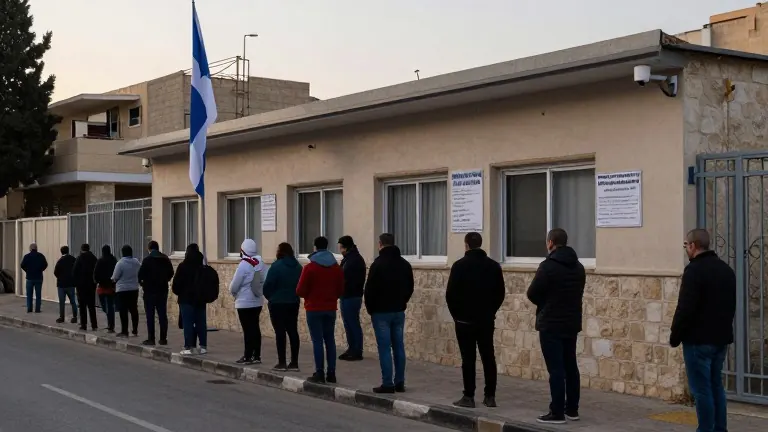
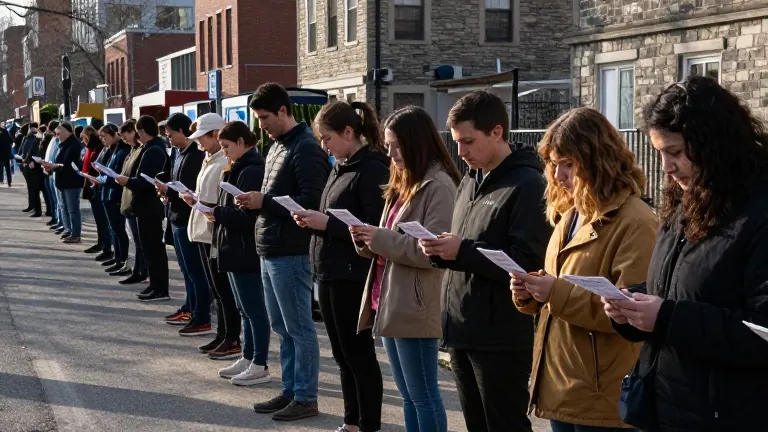
Polls suggest that 68 percent of the 2.1 million Palestinian citizens of Israel may cast ballots on Tuesday, a sharp increase from the 54 percent turnout recorded in the 2022 election. Ameer Fakhoury, an analyst at the Vanleer Institute, predicts participation could reach 72 or 73 percent, noting that election day may bring further surprises. This potential record would allow the Joint List and Raam parties to secure approximately 15 of the 120 seats in the Knesset, matching the high achieved in 2020.
Ibrahim Said, a 70-year-old resident of the Galilee who has boycotted Israeli elections since 1980, says he is voting this time due to a pervasive sense of fear. He describes his status as not merely that of a second-class citizen, but rather a twentieth-class one. For many voters, the decision to participate is not a display of confidence in the democratic system but a reaction to a lack of trust in state institutions. Fakhoury argues that survival has become the dominant motivation, with voters seeking to prevent the displacement and ethnic cleansing that have occurred in Gaza and the West Bank.
The political stakes are heightened by the platform of the governing coalition, which includes the Religious Zionism party of Bezalel Smotrich and the Jewish Power party of Itamar Ben Gvir. Smotrich’s party has promised to “Judaise” the Galilee and Negev regions, where hundreds of thousands of Palestinians reside. Amcha Yisrael, a new far-right party founded by a former general, has also made displacement a key part of its campaign. Jowan Safadi, a musician who traditionally opposed the electoral process as a democratic facade, says the extremism of the current government has forced him to reconsider his stance. He notes that Ben Gvir and Smotrich have effectively done the campaigning for the Arab lists by pushing the community to act.
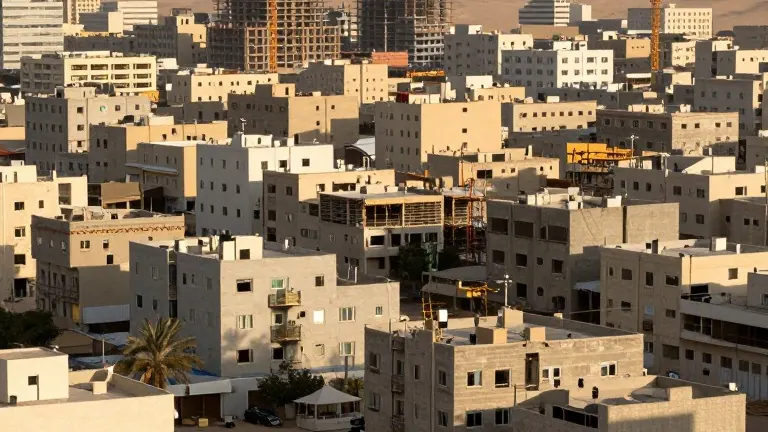
Violent crime in Palestinian communities is a primary driver of voter intent. Adham, a mechanic in northern Israel, cites the high homicide rate as a reason to support Raam, a socially conservative party led by Mansour Abbas. Last year, police recorded 252 homicides in these communities, with another 147 reported in the first half of 2026. The police solved only 12 percent of those killings this year. Adham limits his two adult sons’ curfew to 10 p.m. because of the threat of organized crime. Raam is running Yoav Segalovich, a former police major-general known for tackling crime in Arab communities, on its list this year.
Daily life for Palestinian citizens is marked by anxiety and discrimination. Maha Mohammed, a teacher in the northern town of Umm al-Fahm, describes the fear she feels when traveling to Jewish or mixed cities, including her hometown of Jaffa. As a woman wearing a hijab, she reports feeling anxious and self-conscious in public spaces. Her colleagues and neighbors in Umm al-Fahm share this concern, citing safety for their families and communities as their most basic request. The opposition is not immune to tensions, as a former Mossad official assured attendees at a Naftali Bennett campaign event that his party would not form a coalition with Arab parties.
Source: Middle East Eye