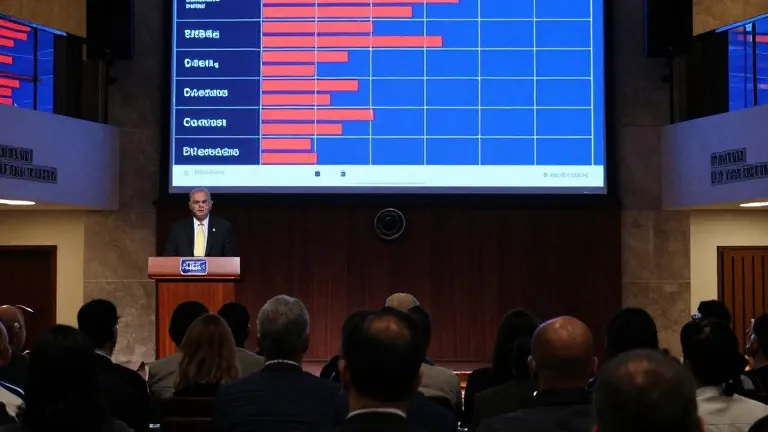
Healey unveils £1.42tn budget plans
The chancellor outlines tax changes, defense spending, and homebuyer aid to address rising costs and debt.
By Anastasia Petrova ·
Chancellor John Healey presents his first budget on Wednesday, setting the fiscal direction for Prime Minister Andy Burnham’s government. The announcement allocates approximately £1.42tn for day-to-day spending and public investment. Of this total, roughly £100bn covers debt interest costs, which have risen to multidecade highs.
Rising energy prices from the Gulf conflict have driven the cost of servicing the national debt. Oil prices have climbed above $110 a barrel, and gas prices have returned to levels last seen in late 2022. This has reduced the government’s fiscal buffer from £24bn to an estimated £12bn, according to the Resolution Foundation.
The chancellor aims to provide consumers with relief through several immediate measures. Healey will extend parental pay to over 150,000 additional parents annually, a change valued at £388 per individual. This includes self-employed fathers and partners who were previously excluded. The government will also end the carer’s allowance cliff-edge, ensuring unpaid carers do not lose their allowance entirely once their weekly earnings exceed the limit.
Shop prices for more than 100 products, including baked beans, chocolate, and gherkins, will fall as import tariffs are removed. Energy bill support will see an additional £100 added to the existing £150 Warm Home Discount for poorer households. This expansion is funded by taxes rather than energy billpayers. Standing charges on gas bills are expected to be abolished.
First-time homebuyers will gain access to a revamped equity loan scheme. The program offers a 20% loan toward new-build homes with an initial interest-free period and a minimum deposit of 2.5%. This replaces the previous help to buy initiative. The government will also plug a £4.7bn gap in the defense investment plan by cutting other departmental budgets, though a roadmap to reach 3% of GDP for defense spending by 2030 is delayed until next year’s spending review.
Revenue will be raised through a new bank levy, expected to generate more than £2bn annually if the bank surcharge is restored from 3% to 8%. This follows a surge in bank profits, with HSBC reporting a 32% increase to about £7.2bn. Online marketplaces may be required to collect VAT on behalf of sellers, potentially raising up to £1bn. These funds could lower business rates for small high-street shops by raising the tax threshold from £12,000 to £18,000.
Alcohol duty will rise in line with the retail prices index, increasing the tax on a pint from 50p to 52p. Fuel duty remains frozen, a decision that could cost the Treasury up to £2.7bn over the next year. The mansion tax threshold remains at £2m, with no immediate changes to the annual charge of up to £7,500. Capital gains tax rates will not be equalized with income tax rates.
Devolution receives a £150m funding boost to help local authorities manage new responsibilities. A separate £1.5bn borrowing facility and £285m in initial growth funding will support local priorities such as housing and transport. Plans for a golden visa route for wealthy overseas residents have been scrapped.
Debt financing costs continue to outpace forecasts, with Healey spending about £1bn per month more than initially estimated. The Treasury prefers a fiscal buffer closer to £15bn but must manage the reduced headroom while funding cost of living measures and defense increases. The budget maintains the fiscal rule against borrowing for day-to-day spending.
Source: The Guardian
More Business · Buyer Beware · Report a business · Got a Story?