Michigan Senate Voters Cite High Costs, Not Personal Attacks, as Top Concern
Despite escalating rhetoric between Mike Rogers and Abdul El-Sayed, local residents report fatigue with the two-party system and rising prices.
By Iris Bennett ·
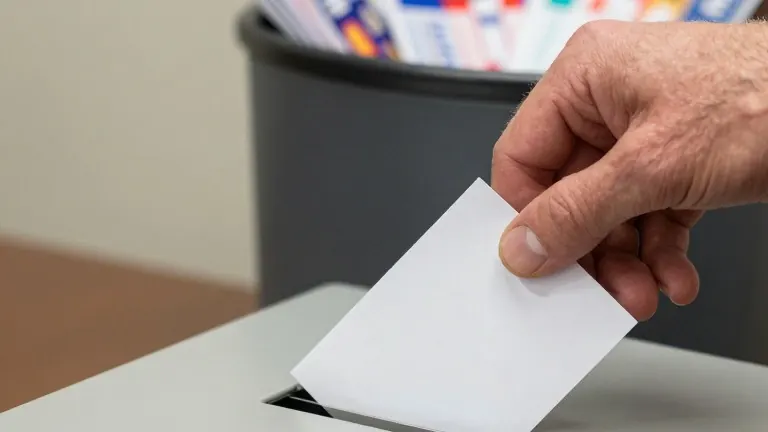
One woman in Ann Arbor, Michigan, cast her ballot early specifically to end the campaign process, according to NPR correspondent Michel Martin. Her action reflects a growing sense of exhaustion among voters in the state as the race for the U.S. Senate heats up.
President Trump is currently campaigning for Republican candidate Mike Rogers. During these stops, he has intensified personal attacks on Democratic opponent Abdul El-Sayed, labeling the former Detroit mayor a "jihadist." Martin reports that this heated language does not match the priorities of the people she is meeting.
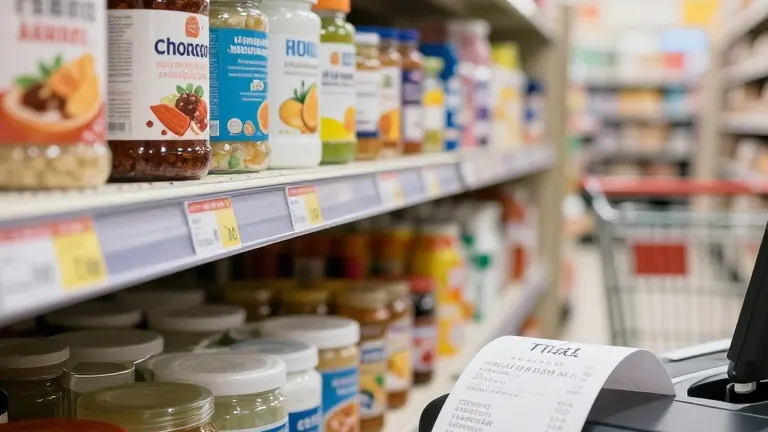
Voters in Michigan told Martin that their primary worries are financial. They cite the price of gas, groceries, and health care as their daily struggles. Martin stated that these everyday expenses are at the top of mind for the residents she interviewed, rather than the personal jabs exchanged by the candidates and the President.
At a University of Michigan football tailgate, Nick Janosi said he plans to support El-Sayed. He expressed a desire for more independent, middle-of-the-road candidates who combine the best aspects of both major parties. Josh Snell, speaking at a Detroit Lions tailgate, shared similar frustration with the current political structure. He said he would likely vote for Rogers, partly because of his opposition to Trump's tariffs on Canada.
Martin observed a distinct shift in how people discuss politics in the state. Many voters are reluctant to speak openly about their preferences. Snell attributed this hesitation to fear of violence. Martin described this reluctance as worse than she has ever seen it, regardless of which side of the race the voters support.
In Ann Arbor, Martin found more people willing to voice support for El-Sayed. She noted that it is unclear if this indicates stronger enthusiasm for him or if Rogers supporters are simply quieter. In North Carolina, host Steve Inskeep reported similar trends, with voters avoiding mentioning Trump by name during conversations.
The campaign continues as voters navigate high costs and a polarized environment. Martin noted that many people are throwing away stacks of political mailers, a physical sign of their weariness with the process. The next election is scheduled for November 3, 2026.
Source: NPR